

Common Seabuckthorn
Hardiness zone: 2
431 in stock
In inventory Out of stock
Couldn't load pickup availability
Important note : This plant is dioecious , meaning that both a male and a female plant are required for fruit production. Since the sex of young plants cannot be determined at this stage, it is advisable to purchase two or more plants to increase the chances of obtaining both sexes.
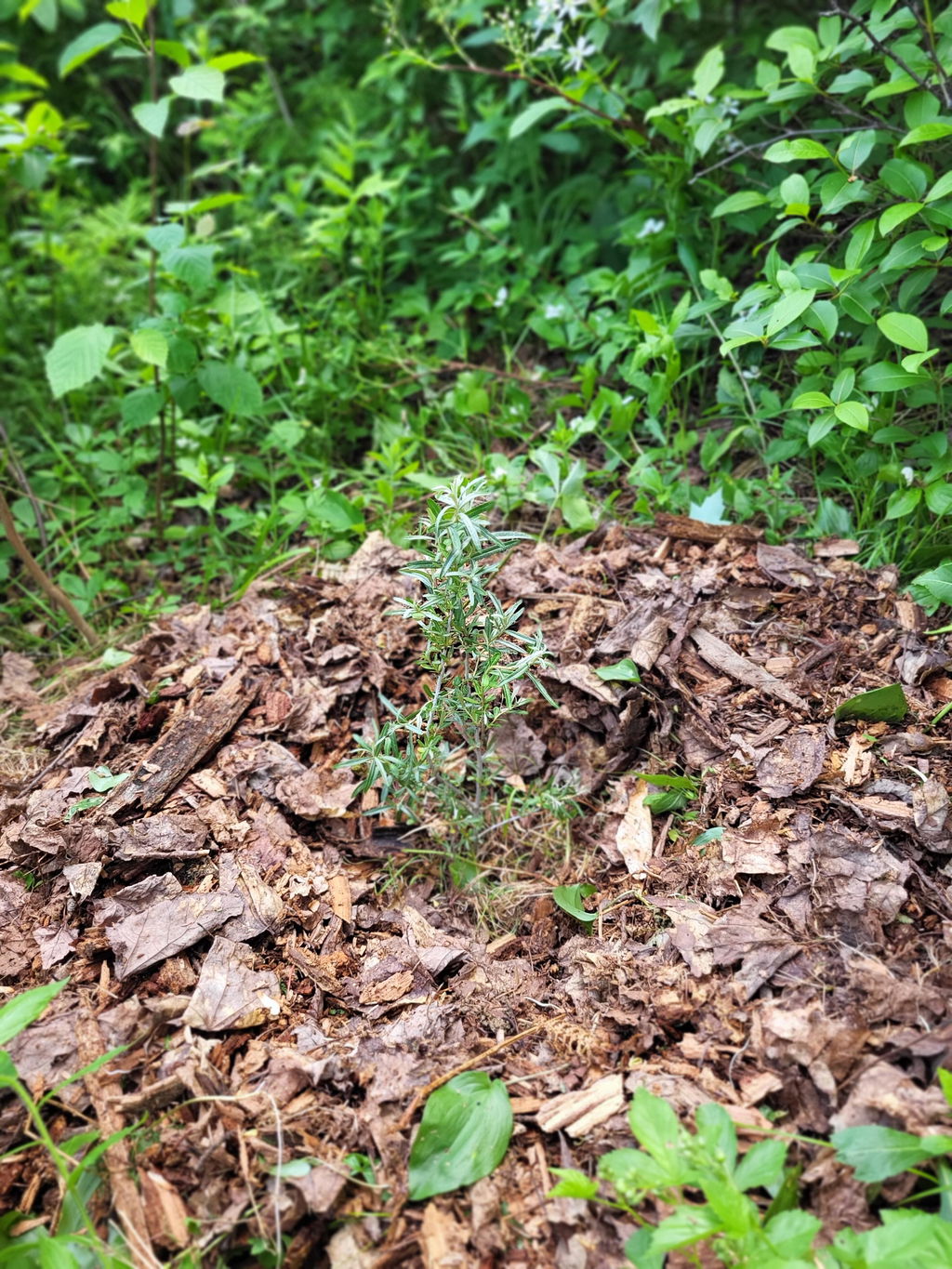
Common Seabuckthorn (Hippophae rhamnoides)
Edible Superfruit & Hardy Windbreak for Ontario and Eastern Canada (Zones 2–7)
Quick Expert Summary
The Common Seabuckthorn (Hippophae rhamnoides) is a moderate-growing, extremely cold-hardy shrub ideal for Ontario and Eastern Canada (Zones 2–7). It typically grows about 1–2 ft per year and reaches 6–13 ft at maturity. Best for edible landscaping, windbreaks, and erosion control, it offers bright orange vitamin-rich berries in fall and exceptional tolerance to poor soils, drought, and exposed conditions.
Why Choose Common Seabuckthorn for Ontario and Eastern Canada?
A highly resilient, fruit-producing shrub that thrives in harsh Canadian climates, Seabuckthorn is ideal for both functional landscaping and edible gardens thanks to its hardiness and adaptability.
- Hardiness: Zone 2 (Ideal for Ontario and Eastern Canada Zones 2–7)
- Growth Rate: Fast
- Best For: Edible / Windbreak / Natural hedge
- Maintenance: Low once established
- Key Feature: Bright orange edible berries rich in nutrients
- Native / Non-native: Native to Europe and Asia; widely planted in Canada
It adapts well to:
- Sandy soils
- Poor or rocky soils
- Well-drained soils (even low fertility)
- Coastal and exposed conditions
- Wind, drought, and cold climates
Tree/Shrub Specifications
| Feature | Details |
| Mature Height | 6–13 ft (2–4 m) |
| Mature Spread | 5–10 ft |
| Growth Rate | 1–2 ft per year |
| Hardiness Zone | 2 (Ideal for Ontario and Eastern Canada Zones 2–7) |
| Sun Exposure | Full sun |
| Soil Preference | Well-drained / Sandy / Poor soils |
| Water Needs | Low once established |
| Drought Tolerance | High once established |
| Deer Resistance | Moderate to high |
| Lifespan | 30–50+ years |
Is Common Seabuckthorn Right for Your Yard?
Choose Common Seabuckthorn if:
- You want fruit production within 3–5 years
- You have a medium to large yard
- You live in Zone 2–7
- You want edible berries + hardy structure
- You need a shrub for windbreaks, hedges, or erosion control
Not ideal if:
- Your yard is very small (spreading habit)
- You want a clean ornamental shrub (berries can drop)
- You are planting too close to walkways or structures
Best Uses
- Edible landscaping
- Windbreak or shelterbelt
- Privacy hedge
- Erosion control on slopes
- Wildlife habitat
Why it works: Seabuckthorn forms a dense, thorny structure, produces abundant nutrient-rich fruit, fixes nitrogen to improve soil fertility, and tolerates extreme conditions including poor soil and drought, making it both practical and productive.
What Makes Common Seabuckthorn Special?
- Spring: Small, inconspicuous flowers appear before leaf-out
- Summer: Silvery-green foliage provides a unique texture
- Fall: Bright orange berries cover branches, highly ornamental and edible
- Winter: Dense branching offers structure and wildlife shelter
Its combination of nutrient-rich fruit and extreme hardiness makes it one of the most versatile shrubs for Canadian climates.
Winter Survival in Ontario and Eastern Canada
Yes, Common Seabuckthorn is hardy in Ontario and Eastern Canada Zones 2–7 and tolerates harsh winters, strong winds, and freezing temperatures exceptionally well.
First-year tip:
- Add 2–3 inches of mulch
- Water deeply before the first hard frost
- Protect young plants from strong wind exposure
Planting Guide for Ontario and Eastern Canada
Best planting time:
- Spring (April–June)
- Early fall (September–October)
Spacing:
- 10–15 ft from foundations
- 6–10 ft between plants
Watering (first year):
- Water deeply once per week
- Reduce watering as plant establishes
- Adjust based on rainfall and soil drainage
Quick Answers (FAQ)
How fast does Common Seabuckthorn grow in Ontario?
Typically 2–3 ft per year in good conditions.
Is it cold hardy in Ontario?
Yes. It is hardy to Zone 2 and performs very well across Ontario and Eastern Canada.
Does it need another tree for pollination?
Yes. Male and female plants are required for fruit production.
Are the roots invasive?
It spreads by suckers, so allow adequate spacing and consider root management in smaller spaces.
Is it messy?
Moderate. Berries may drop if not harvested, but they are typically harvested for use.
Compare With Similar Trees/Shrubs
| Tree | Growth | Key Feature | Best For |
| Common Seabuckthorn | Moderate | Edible orange berries; nitrogen-fixing | Edible hedge / windbreak |
| Silverberry | Moderate-Fast | Silvery foliage; nitrogen-fixing; very drought tolerant | Windbreaks, poor soils, dry sites |
| Silver Buffaloberry | Moderate | Silver leaves + red berries; nitrogen-fixing | Hedging, wildlife planting, dry landscapes |
Shipping Across Quebec, Ontario and Atlantic Provinces
- Nursery-grown
- Carefully packaged
- Shipped to your door in Quebec, Ontario and Atlantic Provinces
- Healthy root system guarantee (if applicable)
Explore Related Collections
Related articles:
Sizes of our plants
Sizes of our plants
Our trees and shrubs are sold in two sizes: small (110 ml volume) and large (310 ml volume).
Volume discount
Volume discount
At TreesOnline.ca, the more you buy, the more you save! We offer a volume discount program that benefits our customers who place large orders! To find out the discount you will receive, based on the value of your order, consult the table below.
From $0.00 to $199.99 = 0% discount
From $200.00 to $299.99 = 5% discount
$300.00 and over = 10% discount
Delivery across Canada
Delivery across Canada
Delivery available across Canada. Order now and receive your plants within a few business days.
Nursery pickup: A flat preparation and packaging fee of $8 will be added to your bill upon pickup. Select the "nursery pickup" option at checkout on our online store.
Quebec and Ontario: Base fee of $28, plus 20% of the plants' value. Add $5 for signature.
All other Canadian provinces: Base fee of $50, plus 20% of the plant value. Add $5 for signature.
Glossary of trees and shrubs of Quebec
Glossary of trees and shrubs of Quebec
Questions about our terminology? Consult our online glossary .
Share


Satisfied customers